Basic Information
| Field | Details |
|---|---|
| Name | Loretta Anne Williams |
| Also Known As | Loretta Anne Bodkin in some family records |
| Born | circa 1915 |
| Origin | Montserrat, West Indies |
| Residence | Harlem, New York City |
| Occupations | Elevator operator at the Lyceum Theatre; opera student |
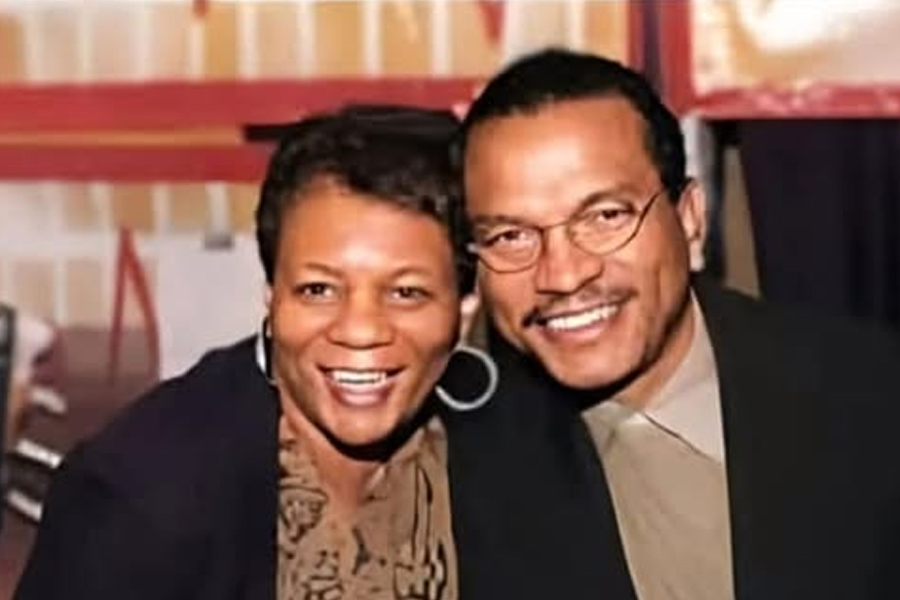
| Notable For | Mother of actor William December Billy Dee Williams Jr.; early guide to theatre and music in her household |
| Children | William December Billy Dee Williams Jr. b. 6 April 1937; Loretta Williams b. 6 April 1937 |
| Grandchildren | Corey Dee Williams b. circa 1960; Hanako Williams b. 1973 |
| Partner or Spouse | William December Williams Sr. |
| Notable Associations | Broadway community in midcentury New York; reported acquaintance with Lena Horne |
| Key Years | 1937 birth of twins; 1940s work and study connected to the Lyceum Theatre |
Origins and early life
Caribbean migration and Harlem Renaissance energies intersect in Loretta Anne Williams. Born in Montserrat about 1915, she brought her musical ear and working woman grit to New York. Loretta mixed with artists and laborers in the city she entered. She studied opera to pursue the conservatory dream while working to pay the bills and get close to the stage.
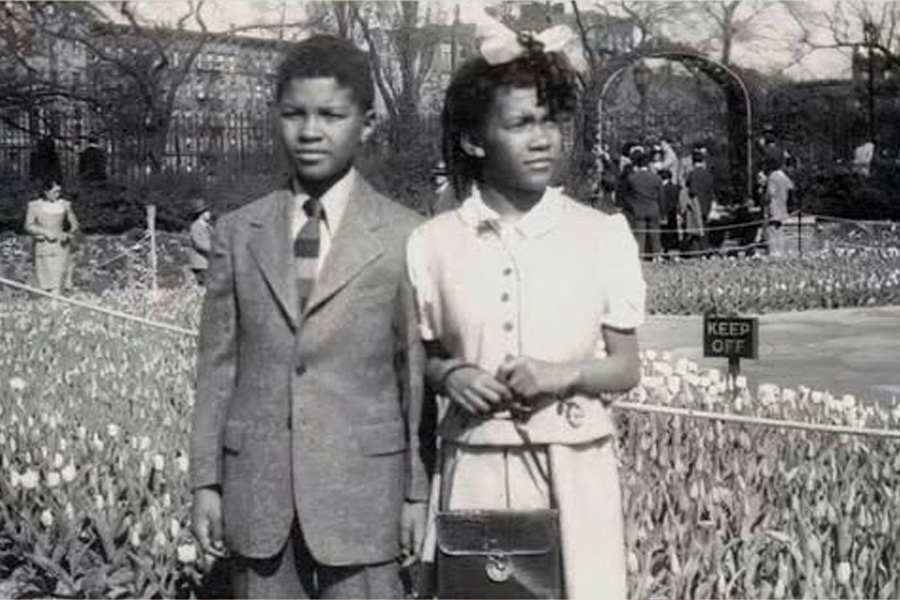
In the mid-1930s, she and William December Williams Sr. settled in Harlem. The neighborhood buzzed with music, dance, and theater. On April 6, 1937, twins William December Jr. (Billy Dee) and Loretta were born. The family’s front-row ticket to opportunity was their mother’s theatrical district path.
Harlem home and Broadway doorways
While her work as an elevator operator at the Lyceum Theatre seemed minor, it put Loretta in the Broadway vertical lifeblood. Daily, she transported actors, directors, and stagehands between floors. She watched, listened, and studied between rides. She studied opera to improve her voice and stay close to performing even while the spotlight was elsewhere.
Elevator rides opened doors for her kid. Loretta and her theater friends were involved in Billy Dee’s early stage experiences, according to family and public reports. She knew rehearsal times and backstage manners and taught her kids craft. Theatre was not abstract in the Williams home. It had doorways, names, and a mother who could direct you.
Family network at a glance
| Name | Relation to Loretta | Birth Year | Notes |
|---|---|---|---|
| William December Billy Dee Williams Jr. | Son | 1937 | Actor, novelist, painter; twin to Loretta Jr. |
| Loretta Williams | Daughter | 1937 | Twin sister of Billy Dee; shares her mother’s first name |
| William December Williams Sr. | Partner or spouse | early 1900s | African American caretaker from Texas; worked multiple jobs in NYC |
| Corey Dee Williams | Grandson | circa 1960 | Son of Billy Dee Williams and Audrey Sellers |
| Hanako Williams | Granddaughter | 1973 | Daughter of Billy Dee Williams and Teruko Nakagami |
| Audrey Sellers | Daughter-in-law, former | 1959 marriage | Mother of Corey; first wife of Billy Dee |
| Marlene Clark | Daughter-in-law, former | 1968-1971 | Second wife of Billy Dee |
| Teruko Nakagami | Daughter-in-law | 1972 marriage | Mother of Hanako; longtime partner in Billy Dee’s later family life |
| Miyako Shorter | Step-granddaughter | 1962 | Teruko’s daughter from a prior relationship |
| Lena Horne | Reported friend or acquaintance | 1917-2010 | Iconic performer associated with Loretta’s Broadway circle by family accounts |
Timeline of key events
- circa 1915: Approximate birth year for Loretta in Montserrat.
- 1930s: Settles in Harlem with William December Williams Sr.
- 6 April 1937: Birth of twins Billy Dee and Loretta in New York City.
- 1940s: Works as an elevator operator at the Lyceum Theatre; studies opera during the same period.
- 1950s: Billy Dee’s early stage and television appearances begin to gather momentum.
- 1959: Billy Dee marries Audrey Sellers.
- circa 1960: Birth of Corey Dee Williams.
- 1968-1971: Marriage of Billy Dee and Marlene Clark.
- 1972: Billy Dee marries Teruko Nakagami.
- 1973: Birth of Hanako Williams.
Note on dates: Public references agree on the central facts of Loretta’s role, the twins’ birthdate, and her Lyceum and opera background. Some genealogical entries vary on her exact birth and death years.
Work, study, and a cultural footprint
The bridge between art and labor that supported many midcentury Harlem households was Loretta’s career. She coordinated, greeted stars, and maintained order in a building that required precision and timing as an elevator operator. She studied opera, which needed patience, range, and discipline. That mixture permeated her home.
Her accomplishments were not marked by programs or marquees. Their influence and access were measured. She was the reliable adult who could get a child to a stage entrance on time and knew the rehearsal room hallway. She also showed musical study’s devotion. Her son’s long career shows the result. The art rituals Loretta created inspired him to work in film and theater.
The theatre’s quiet architect
Loretta symbolizes the silent architecture that ties performing culture together in a star-studded city. She ran an elevator full of chance meetings and fast chats. She maintained that area daily. She met composers, choir members, and stars through that work. Her home remained alive with opera scores and theater chatter.
Her bond with Lena Horne suits Harlem’s creative community’s closeness and mentorship. These relationships allowed Loretta to share information via sharing anecdotes or confidences. Billy Dee, an ambitious young performer, valued those paths. They created a possibility map from a city of shut doors.
Family life and name patterns
Generational name duplication surprises readers. Loretta called her daughter Loretta, producing a mother-daughter mirror in family trees that baffles researchers. Billy Dee’s stage name, William December, matches the father-son duo. These double names show pride and continuity. They prioritize context when reviewing records or questioning relatives.
The household matched ambition with practicality. William Sr. pursued various jobs while Loretta balanced theater and music studies. Their relationship supported two 1937 April-born children. This scaffold survived New York’s ups and downs and a son’s rise to stardom.
Later mentions and how history remembers her
Standalone profiles of Loretta are rare. Instead, she rises behind her son’s interviews, memoirs, and anniversary coverage. The portrait is consistent. The Montserrat-born woman who kept music in the house, worked at the Lyceum, and taught her children at work is recalled.
The specific birth and death years vary in public documents. Migrant, nicknamed, and multigenerational households sometimes have such differences. Based on her closest friends and her son’s work, the essential outline remains.
FAQ
Who is Loretta Anne Williams
She is the Montserrat-born mother of actor William December Billy Dee Williams Jr., remembered for her work at the Lyceum Theatre and for studying opera.
Where was she born
She was born in Montserrat and later settled in Harlem, New York City.
What did she do for work
She worked as an elevator operator at the Lyceum Theatre and also studied opera.
When were her children born
Her twins, Billy Dee Williams and his sister Loretta, were born on 6 April 1937.
Who was her partner or spouse
She partnered with William December Williams Sr., an African American caretaker originally from Texas.
Who are her grandchildren
Corey Dee Williams, born circa 1960, and Hanako Williams, born in 1973.
Did she have ties to famous performers
Family accounts describe her as acquainted with Broadway figures, including a reported friendship with Lena Horne.
Are her exact birth and death dates known
Her birth is commonly placed around 1915, though some public references differ on exact dates.
What is her legacy in Billy Dee’s career
She provided early access to the theatre world and fostered disciplined musical study, shaping his path from childhood.
Is she mentioned in recent news
She appears in recent years mainly in profiles and interviews about her son, where her biography is summarized.