Basic Information
| Field | Details |
|---|---|
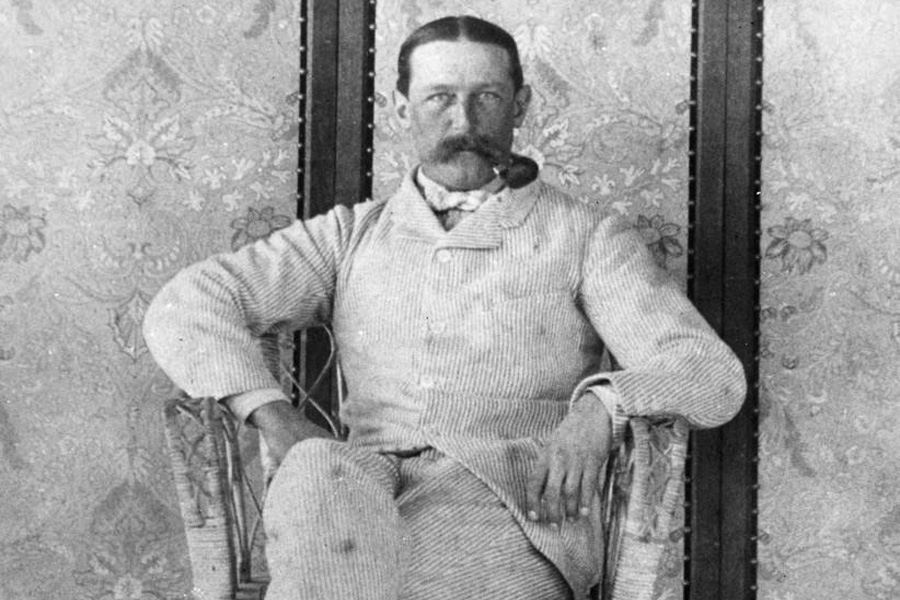
| Full name | Edward Robbins Wharton |
| Nickname | Teddy |
| Birth | April 3, 1850 |
| Birthplace | Brookline, Massachusetts |
| Death | February 7, 1928 |
| Death place | Lenox, Massachusetts |
| Parents | William Craig Wharton and Nancy Spring Wharton |
| Paternal grandparents | John Wharton and Nancy Craig |
| Maternal grandparents | Marshall Binney Spring and Elizabeth Willing |
| Spouse | Edith Newbold Jones Wharton |
| Marriage | April 29, 1885, Manhattan, New York |
| Children | None |
| Education | Harvard University graduate |
| Residences associated | New York City, Newport Rhode Island, Lenox Massachusetts |
| Noted for | Harvard sportsman, society figure, husband of novelist Edith Wharton |
Old Boston Roots and Family Ties
Edward Robbins Wharton carried ancient Boston lineage’s weight and ease. He was influenced by noble Atlantic seaboard families through his parents, William Craig Wharton and Nancy Spring. His paternal grandparents, John Wharton and Nancy Craig, and maternal grandparents, Marshall Binney Spring and Elizabeth Willing, wove him into a web of names that opened doors, secured memberships, and set expectations. A surname may be a passport in a world where inheritance ruled life like any vocation.
The ties mattered. Teddy’s origins placed him in club rooms, drawing rooms, and summer colonies where riches quietly directed conversation in an age that valued pedigree as much as intellect. These ties also led him to Edith Newbold Jones, a Manhattanite. Shared class codes made their union possible, defining his most visible chapter.
Harvard, Handsome, and the Cult of Leisure
Wharton’s Harvard degree was socially and intellectually significant. He was beautiful, popular, and athletic, moving smoothly through college and society. He had the means to chose sports and travel over steady work. After entering a trust fund, he adopted a gentleman’s calendar: home parties, coastal seasons, European travel, and well-born relaxation.
The pattern emerged early. Teddy enjoyed affluence and excelled in its social arts. He charmed, hosted, and joined. Instead of a career tale about work and achievement, his is about status and access in 19th-century America.
A Marriage in the Gilded Age: Meeting and Wedding
Edward and Edith Jones met in 1883 in Bar Harbor, Maine, a classy place. Manhattan hosted their April 29, 1885 wedding. Status-driven families and those who assessed life by manners, houses, and houses inside houses married. Early in their marriage, they split time between New York and Newport, focusing on travel, guests, and New England and New York social circles.
Due to temperament and ambition, they were not compatible. Teddy enjoyed gentlemanly pleasures while Edith wrote and planned architecture. For a while, buying homes, dogs, and itineraries seemed sustainable. Marriage in the Gilded Age was brilliant and complicated.
Newport and Lenox: Land’s End and The Mount
Two speeches depict their most vivid intimate moments. After buying Land’s End near Newport in 1893, the pair became involved in the summer colony’s rituals. The mansion supported their social status, connecting them to season-defining dances, weekend parties, and promenades. Teddy liked beach relaxation and informal grandeur.
In 1902, they moved to Lenox, Massachusetts, where Edith built The Mount, a creative and domestic hub. Ted shared this planet while his wife owned its core energy. Gardens, terraces, and a rigorous classical layout defined The Mount, where the couple entertained, argued, and acted out their late marriage. Teddy found comfort and scale at The Mount; Edith used it for work and socializing.
Work, Wealth, and Money Troubles
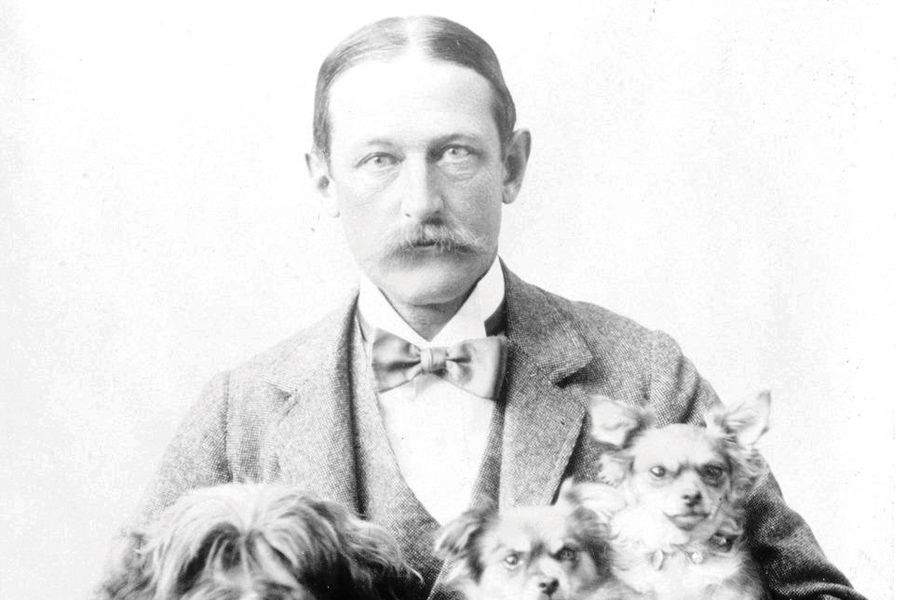
Teddy Wharton had an unconventional career. Some descriptions call him a banker, yet his existence was based on inherited fortune and rarely worked. He identified with sports, travel, and society, not ledgers or offices.
Money, however, runs through the story less elegantly. He had personal wealth, but the marriage struggled financially. He demanded monies from Edith’s trust at a crucial juncture, piercing the polite independence and disintegrating the marriage. This violation was significant in a world where capital signified security and selfhood.
Health and Unraveling
Bright yachts and country weekends hid deeper currents. Teddy is described as depressed, drinking heavily, and having affairs. From the late 1880s until the early 20th century, his emotional degeneration exacerbated the marriage’s problems. Edith’s career accelerated as Teddy’s mind became increasingly muddled, a painful asymmetry their household could not handle.
In 1913 they divorced, a decisive act in an era that often preferred discretion to rupture. The parting affirmed what their detours had already revealed: two lives had fallen out of step, and the storybook surfaces could not hide the distance.
Timeline at a Glance
| Year | Event |
|---|---|
| 1850 | Born in Brookline, Massachusetts |
| 1883 | Met Edith Jones at Bar Harbor, Maine |
| 1885 | Married Edith in Manhattan on April 29 |
| 1893 | Purchased Land’s End in Newport |
| 1902 | The Mount in Lenox became their principal home |
| 1913 | Divorced from Edith Wharton |
| 1928 | Died in Lenox, Massachusetts |
Family Snapshot
| Relation | Name | Notes |
|---|---|---|
| Father | William Craig Wharton | Old Boston family background |
| Mother | Nancy Spring Wharton | Linked to Spring and Willing lines |
| Paternal grandfather | John Wharton | |
| Paternal grandmother | Nancy Craig | |
| Maternal grandfather | Marshall Binney Spring | |
| Maternal grandmother | Elizabeth Willing | |
| Spouse | Edith Newbold Jones Wharton | Married 1885, divorced 1913 |
| Children | None |
The Husband in the Writer’s World
Teddy Wharton’s most famous role was as Edith Wharton’s spouse, who shaped her writing and entertaining spaces. He traveled with her, lived in cultural monuments, and shared class practices that attracted and sometimes repelled her writing. Despite not writing the books, he populated their world.
Sporting flair and social appeal also left their mark. Teddy’s polish eased commitments and lubricated discourse in salons, garden parties, and weekend guests. Teddy was skilled, Edith was skilled with words. Their imperfect collaboration created a space for masterpieces.
Reputation and Afterlife in Memory
Teddy is accused of being the Gilded Age husband: privileged, indolent, and troubled. Others saw him as a complex person who suffered with depression under class pressure. His existence reflects the contrasts of his period. He represented both the comfort and the constraint of inherited wealth at the intersection of fate and ancestry.
Today, his name appears in family trees, museum exhibits, and literary conversations about Edith Wharton. Their combined homes remain evident. Stories about them persist. Teddy’s half-shadow moves across Gilded Age memory’s beautifully lit rooms.
FAQ
Was Edward Robbins Wharton a banker by profession?
Some later descriptions call him a banker, but he did not pursue a sustained professional career and lived primarily on family wealth.
Did Edward and Edith Wharton have children?
No, the marriage produced no children.
When and where did he marry Edith Wharton?
He married Edith Newbold Jones on April 29, 1885, in Manhattan.
Where did the couple live during their marriage?
They split time among New York City, Newport in Rhode Island, and Lenox in Massachusetts.
What homes are most associated with their life together?
Land’s End in Newport, purchased in 1893, and The Mount in Lenox, established in 1902.
Why did they divorce?
Their marriage deteriorated amid incompatibility, his health struggles, and money conflicts that included attempts to access Edith’s trust.
What was Teddy Wharton’s education?
He graduated from Harvard University.
How is he best remembered today?
As a Harvard-educated sportsman and society figure whose life intersected with the creation of Edith Wharton’s world and works.
When did Edward Robbins Wharton die?
He died on February 7, 1928, in Lenox, Massachusetts.
What was his family background?
He descended from established Boston families, with grandparents John Wharton and Nancy Craig on his father’s side and Marshall Binney Spring and Elizabeth Willing on his mother’s side.