Basic Information
| Field | Detail |
|---|---|
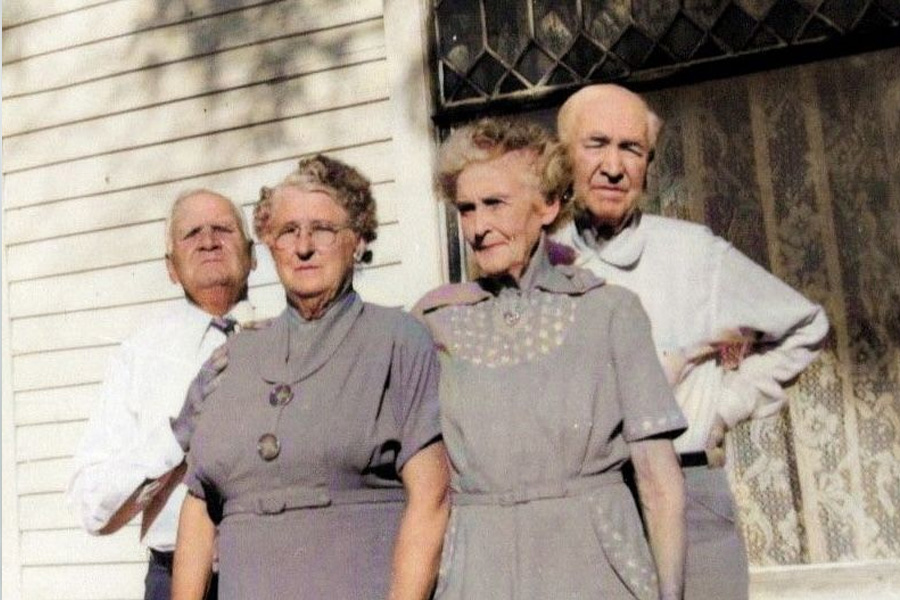
| Full name | Nora Rosella Burrell Drew |
| Also known as | Nora Rosella Burrell |
| Birth | April 24, 1880, Washington, D.C. |
| Death | January 22, 1962, Arlington, Virginia |
| Education | Miner Normal School, teacher training |
| Occupation | Teacher-trained homemaker who did not work as a schoolteacher |
| Parents | Joseph Burrell and Emma Mann Burrell |
| Spouse | Richard Thomas Drew Jr. (married 1903) |
| Spouse’s occupation | Carpet layer and union financial secretary |
| Children | Charles Richard Drew (1904-1950), Joseph Linwood Drew, Elsie Drew, Nora Drew (later Gregory), Eva Drew (later Pennington) |
| Residences | Foggy Bottom, Washington, D.C.; moved to Arlington, Virginia by 1920 |
| Grandchildren through Charles | Bebe Roberta Drew, Charlene Rosella Drew (later Jarvis), Rhea Sylvia Drew (later Sylvia Drew Ivie), Charles Richard Drew Jr. |
Washington Beginnings and Teacher Training
Washington D.C. native. Born April 24, 1880, Nora Rosella Burrell grew up in a capital city where Black institutions were both rampart and haven. Miner Normal School taught young women to teach and lead by example. Curriculum was rigorous, values clear. Education was a profession and social contract.
Nora finished her training but never taught. Instead, she integrated educational habits into home life. She carried precision, preparation, and obligation from room to room and year to year. She’s a housewife who gives order and purpose to her life, not a teacher.
Marriage and a Household Built on Duty
Nora married expert carpet layer and union finance secretary Richard Thomas Drew Jr. in 1903. They built a Black middle-class household in Foggy Bottom, a close-knit District neighborhood. Their home was strict but warm. The pair stressed civics, church participation, and independence. All stories indicate that they raised five children over 20 years and wanted them to take responsibility with pride.
Even simple details express much. Charles was a paperboy from a young age. That single fact shows a familial culture that tied independence to discipline and work to dignity. The family integrated learning and employment, so study was not an abstraction and communal life was not a spectator sport.
Children and Grandchildren
Nora and Richard had five children who impacted medicine, education, and public service. The 1904-born Charles Richard Drew, who pioneered blood banking and taught generations of doctors, is their most famous son. The extended family also continued the heritage in daily ways that linked households, churches, and careers.
Their grandchildren via Charles maintained service and achievement. The granddaughter Rhea Sylvia Drew is known as Sylvia Drew Ivie, a civil rights and health law leader. Charlene Rosella Drew became Charlene Drew Jarvis, an educator, neuroscientist, and veteran Washington, D.C. public servant. Charles Richard Drew Jr., Bebe Roberta Drew, and Bebe Drew Price added their own chapters to the family story. These descendants carried Nora’s legacy for decades, beneath public achievement.
Family Snapshot
| Name | Relation to Nora | Notes |
|---|---|---|
| Richard Thomas Drew Jr. | Spouse | Carpet layer and union financial secretary |
| Charles Richard Drew | Son | Born 1904; physician and blood banking pioneer; died 1950 |
| Joseph Linwood Drew | Son | Middle child; part of the extended Drew family line |
| Elsie Drew | Daughter | Sister to Charles; part of the core household |
| Nora Drew (Gregory) | Daughter | Later known as Nora Drew Gregory |
| Eva Drew (Pennington) | Daughter | Born after the family moved to Virginia |
| Bebe Roberta Drew (Price) | Granddaughter | Child of Charles |
| Charlene Rosella Drew (Jarvis) | Granddaughter | Educator, neuroscientist, and public official |
| Rhea Sylvia Drew (Sylvia Drew Ivie) | Granddaughter | Civil rights and health law leader |
| Charles Richard Drew Jr. | Grandson | Sibling of Charlene and Sylvia |
The Move to Arlington in 1920
In 1920, the family crossed the Potomac to Arlington. Not all moves are logistical. The family’s direction changed with this one, with a bigger horizon and distinct civic rhythms. After the transfer, Eva, the youngest, was born. The move kept the family together and expanded opportunities. It also signified steadiness. Moving and establishing new roots needed calculation, savings, and determination in a period with few assurances for Black families.
Values at Home: The Invisible Curriculum
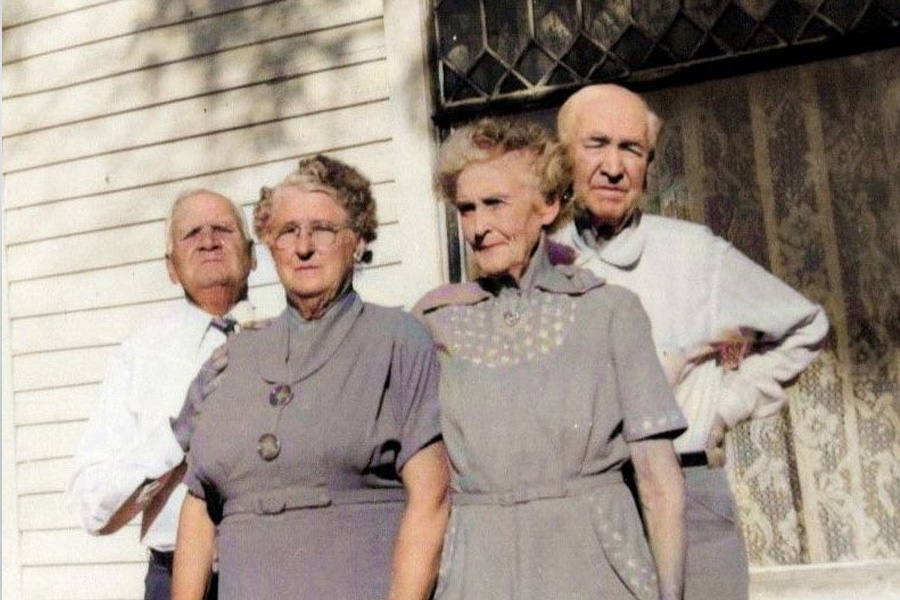
Nora’s Miner Normal School education led to family life architecture, but not a classroom instructor. Her home followed a schedule of Sunday worship, school, and meaningful duties. In this quiet building, paper routes taught math and reliability. Church membership taught duty and fellowship. Reading imparted literacy and self-confidence.
Five children grew up with those guidelines. Sibling bonds developed within a society that valued self-control and ambition. The family’s emphasis on civic consciousness encouraged each youngster to grasp not only the world behind the front door, but also the city and country beyond it. If a house can be a compass, Nora’s points north for preparation, integrity, and service.
Names, Identity, and Records
Nora Rosella Burrell Drew or Burrell is most typically found in public and family documents. Family history lists her parents as Joseph and Emma Mann Burrell. As with many families around the turn of the 20th century, the Drews left a patchwork of documents that catalog major events and leave some loose strands. The big image remains consistent despite minor details. A D.C.-trained schoolteacher. native, mother of five, and matriarch of a national heritage family.
Timeline Highlights
| Year | Event |
|---|---|
| 1880 | Born in Washington, D.C. on April 24 |
| 1903 | Married Richard Thomas Drew Jr. in the District of Columbia |
| 1904 | Birth of son Charles Richard Drew |
| 1906 to 1921 | Household grows with births of Elsie, Joseph Linwood, Nora, and Eva |
| 1920 | Family relocates to Arlington, Virginia |
| 1950 | Death of son Charles in a car accident |
| 1962 | Died on January 22 in Arlington, Virginia |
Legacy and Public Memory
Modern Nora is most often mentioned in the first lines of her son Charles’ biography. The longer view reveals her contributions go beyond one figure. The family influenced laboratories, classrooms, council chambers, and courts through Charlene Drew Jarvis, Sylvia Drew Ivie, Bebe Drew Price, and Charles R. Drew Jr. Her job was scaffolding. She created standards and enforced them steadily, building legacies without making headlines.
Nora’s life teaches impact without spectacle. She taught every day as a Miner Normal student without having taught. She created a wealth of expectations that compounded over generations as a housewife. The language of her household was discipline, faith, and civic obligation. Results echo in public institutions and family reunions.
FAQ
When was Nora Burrell born and when did she die?
She was born on April 24, 1880, in Washington, D.C., and died on January 22, 1962, in Arlington, Virginia.
Did she work as a schoolteacher?
She trained at Miner Normal School but did not take up a paid teaching position.
Who were her parents?
Her parents are identified as Joseph Burrell and Emma Mann Burrell.
Whom did she marry and when?
She married Richard Thomas Drew Jr. in 1903.
How many children did she have?
She and her husband raised five children: Charles, Joseph Linwood, Elsie, Nora, and Eva.
Where did the family live?
They lived in Foggy Bottom in Washington, D.C., and moved to Arlington, Virginia, by 1920.
Who are her notable descendants?
Her grandchildren through Charles include Bebe Roberta Drew, Charlene Drew Jarvis, Sylvia Drew Ivie, and Charles R. Drew Jr.
What values defined her household?
The family emphasized education, church membership, civic awareness, responsibility, and work.
What was her connection to Charles R. Drew?
She was the mother of Charles Richard Drew, the pioneering physician and blood banking innovator.
Why is her story significant today?
Her life illustrates how quiet, consistent leadership inside a family can shape public achievements across generations.