Basic Information
| Field | Details |
|---|---|
| Full name | Sir George Arthur Harwin Branson PC |
| Professional name | G. A. H. Branson; Mr Justice Branson |
| Birth | 11 July 1871, Great Yarmouth, Norfolk, England |
| Death | 23 April 1951, Pirbright, Surrey, England |
| Parents | James Henry Arthur Branson 1839 to 1902 and Mary Ann Brown 1842 to 1923 |
| Paternal grandparents | Henry Wilkins Branson and Eliza Cornelia Wellington Reddy |
| Noted great-grandparents | John Edward Branson and Elizabeth Burdett |
| Education and sport | University of Cambridge oarsman, Boat Race 1893 |
| Called to the Bar | 1899, Inner Temple |
| Judicial appointment | High Court of Justice, King’s Bench Division, April 1921 |
| Primary court work | Commercial Court, 1920s to 1930s |
| Knighthood | 1921 |
| Privy Council | Made a Privy Counsellor during his judicial career |
| Retirement | End of 1939 |
| Residence in retirement | Bradfield Combust, Suffolk |
| Burial | All Saints Churchyard, Bradfield Combust |
| Spouse | Mona Joyce Bailey circa 1889 to 2 October 1964 |
| Marriage | 27 March 1915, London Holborn or St Giles area |
| Children | Edward James Branson 1918 to 2011 and a daughter whose name remains private |
Origins and Legal Lineage
Born on July 11, 1871, George Arthur Harwin Branson was raised in law and imperial service. Before becoming a London Privy Council appeals specialist, his father, James Henry Arthur Branson, practised at the Calcutta Bar and was Senior Acting Magistrate. Mary Ann Brown, his mother, guided the family between colonial and urban life.
Legal and colonial records list Henry Wilkins Branson and Eliza Cornelia Wellington Reddy as his paternal grandparents. Legacy and genealogy point to John Edward Branson and Elizabeth Burdett. Among the extended family, notable names included brothers James Reddy Beadon Branson and Dr. William Philip Sutcliffe Branson. This clan blended English professional life with worldwide empire.
Oarsman and Scholar
The tide and oars before wigs and benches. Branson competed in the 1893 Cambridge Boat Race, testing stamina and rhythm. The discipline it created counts more than the triumph or loss. Rowing taught rhythm, balance, and stress management. Those traits defined his courtroom style for decades.
From the Bar to the Bench
Branson was called to the Bar by the Inner Temple in 1899. He gravitated to commercial law and to the intricate craft of Privy Council appeals, terrain familiar from his father’s career. Chambers life suited him. He did not seek the limelight, yet his steady mastery earned attention.
He was F’s junior counsel in 1916. E. Smith, subsequently Lord Birkenhead, in Sir Roger Casement’s treason trial. Famously, the case hinged on the Treason Act 1351 and comma meaning. Branson provided precise support in that tense courtroom. Not the full-fledged orator. He kept time with the statuary as the metronome.
High Court Service and Judicial Style
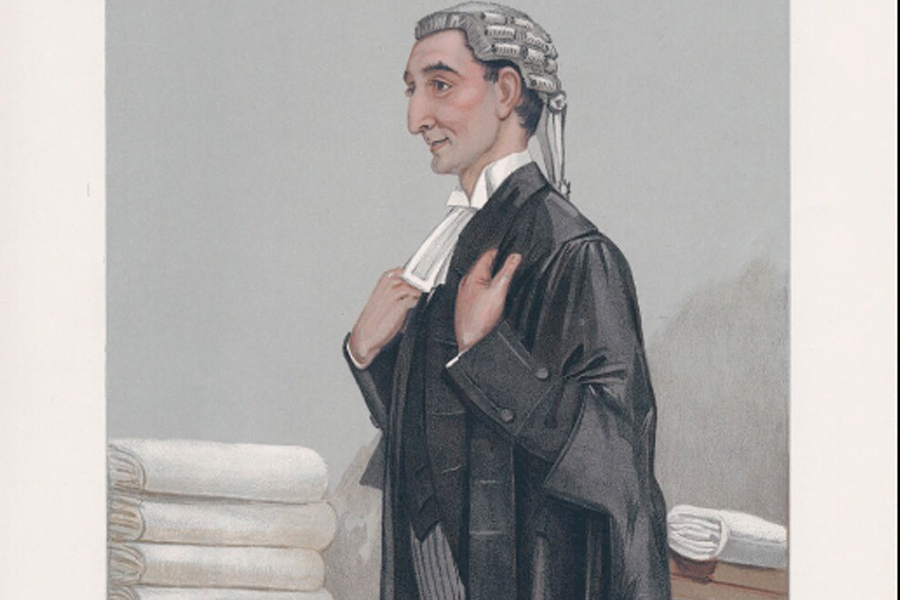
Appointed in April 1921 to the High Court, King’s Bench Division, Branson joined the Commercial Court in its formative modern era. He was knighted that year and later sworn of the Privy Council. From the early 1920s through the later 1930s he became a familiar anchor of the court’s docket.
Current notes and colleagues united the picture. He was a good business lawyer but no showman. A shining illustration of the judiciary’s temper and skill. He favored clarity and philosophy over style. He retired at the end of 1939 after declining advancement to the Court of Appeal, which fit his disposition.
Family Life and Descendants
Branson married Mona Joyce Bailey, Major George James Bailey and Edith Emma Headley’s younger daughter, on March 27, 1915. Mona, over twenty years his junior, was a calm partner. After retiring, they moved to Bradfield Combust, Suffolk, where their tranquil life was praised. Later, a memorial plaque called him wise and caring.
They had 2 kids. The son, Edward James Branson, was born 10 March 1918 and died 19 March 2011. After serving in a cavalry unit in the Middle East and Italy during WWII, Edward followed his father to the Inner Temple Bar. He served as a London stipendiary magistrate for over 15 years. He married Eve Branson, Evette Huntley Flindt, in 1949.
The second child was a daughter who chose privacy with determination. Her name does not appear in public directories or legal calendars. Silence can also be a statement.
Edward brought new fame. The 1950-born Virgin Group founder Richard Branson and Vanessa Branson were grandchildren. Family documents list Linette J. Branson as a granddaughter. In 1979, Richard Branson and Joan Templeman’s infant daughter Clare Sarah Branson lived briefly. Edward Abel Smith is another familial great-grandchild. Global entrepreneurship from legal papers and tideway rowing was surprising.
Reputation and Public Footprint
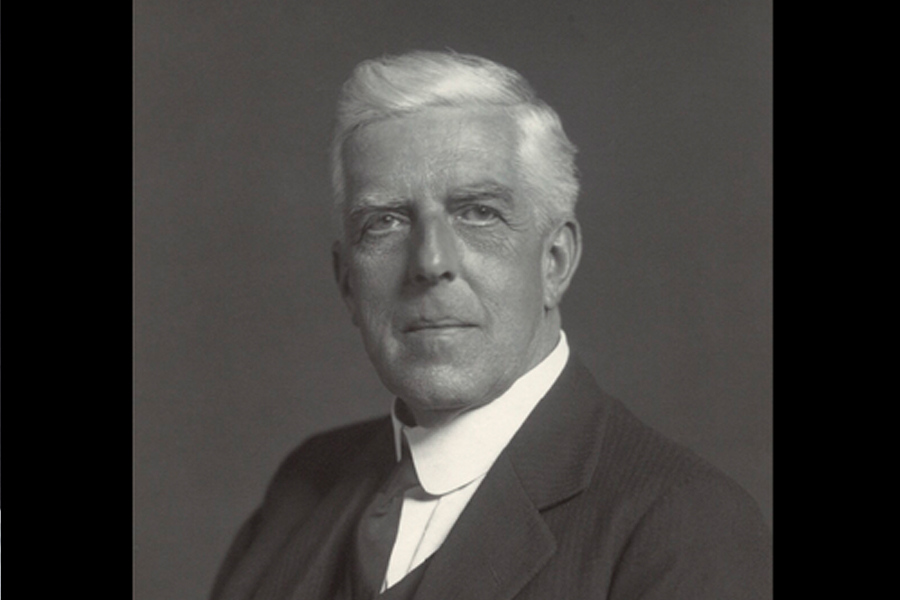
Branson loathed hype. He has one photograph in the National Portrait Gallery and no entry in the Dictionary of National Biography. Reasons and orders, not headlines, defined his service. Wealth is limited to a senior judge’s reliable salary and a professional family’s comfort. His life was measured work, careful judgment, and commercial law, unlike later generations’ privilege.
Timeline at a Glance
| Date | Event |
|---|---|
| 11 July 1871 | Born in Great Yarmouth, Norfolk |
| 1893 | Rowed for Cambridge in the Boat Race |
| 1899 | Called to the Bar, Inner Temple |
| 27 March 1915 | Married Mona Joyce Bailey in London |
| 1916 | Junior counsel in the treason trial of Sir Roger Casement |
| April 1921 | Appointed to the High Court, King’s Bench Division |
| 1921 | Knighted |
| 1920s to 1930s | Served primarily in the Commercial Court |
| End of 1939 | Retired from the Bench |
| Post 1939 | Lived at Bradfield Combust, Suffolk |
| 23 April 1951 | Died in Pirbright, Surrey |
| 2 October 1964 | Death of Mona Joyce Branson |
Selected Family Snapshot
| Name | Life dates | Relationship to Sir George | Notes |
|---|---|---|---|
| James Henry Arthur Branson | 1839 to 1902 | Father | Calcutta Bar; Privy Council appeals; Senior Acting Magistrate in Calcutta |
| Mary Ann Brown | 1842 to 1923 | Mother | Matriarch of the legal household |
| Henry Wilkins Branson | 19th century | Paternal grandfather | Linked to extended Branson legal line |
| Eliza Cornelia Wellington Reddy | 19th century | Paternal grandmother | Reddy family connection |
| Mona Joyce Bailey | circa 1889 to 1964 | Wife | Married 1915; daughter of Major George James Bailey and Edith Emma Headley |
| Edward James Branson | 1918 to 2011 | Son | WWII cavalry officer; barrister; London stipendiary magistrate; married Eve Branson |
| Unnamed daughter | 20th century | Daughter | Maintained a private life |
| Richard Branson | born 1950 | Grandson | Founder of the Virgin Group |
| Vanessa Branson | 20th century | Granddaughter | Cultural entrepreneur and arts patron |
| Linette J. Branson | 20th century | Granddaughter | Listed in family records |
| Clare Sarah Branson | 1979 | Great-granddaughter | Infant daughter of Richard Branson and Joan Templeman |
| Edward Abel Smith | 20th century | Great-grandchild | Appears in extended family listings |
Places and Memorials
Branson retired to Bradfield Combust in Suffolk, a tranquil harbor for the family. He died in Pirbright, Surrey, in spring 1951, just after his famous grandson was born. His grave is at Bradfield Combust’s All Saints Churchyard. A memorial in the parish church says he was wise and gentle.
Work Habits and Judicial Temper
Branson resembled an English judge to lawyers who appeared before him. He read carefully, spoke briefly, and focused. Instead than creating new law, his commercial judgments guided markets via clarity. As change occurred, he was the ballast.
Why He Matters Now
Modern discussions center on familial networks, privilege, and success scaffolding. That story is skeletonized throughout Sir George’s life. Calcutta-based parent who likes Privy Council work. His son carried the legal flame. Grandson who traded underwear for brands and balloons. The inheritance current might flow slowly or quickly. This family had both.
FAQ
Who was Sir George Arthur Harwin Branson?
He was an English barrister and High Court judge in the King’s Bench Division, best known for long service in the Commercial Court.
When was he born and when did he die?
He was born on 11 July 1871 and died on 23 April 1951.
What was his connection to the Casement trial?
In 1916 he served as junior counsel in the treason trial of Sir Roger Casement, a case famous for a statutory comma.
When did he become a judge?
He was appointed to the High Court in April 1921 and was knighted the same year.
Did he serve in the Court of Appeal?
No, he declined promotion to the Court of Appeal and retired at the end of 1939.
Was he a Privy Counsellor?
Yes, he was later made a Privy Counsellor and styled The Right Honourable.
Who were his children?
He had two children, Edward James Branson and a daughter whose name is not publicly recorded.
How is he related to Richard Branson?
He is Richard Branson’s paternal grandfather.
Where is he buried?
He is buried at All Saints Churchyard in Bradfield Combust, Suffolk.
Why is he less known today?
He kept a low public profile, left few portraits, and favored quiet judicial work over public prominence.