Basic Information
| Field | Details |
|---|---|
| Full name | Willem ten Boom |
| Birth | 21 November 1886, Amsterdam, North Holland, Netherlands |
| Death | 13 December 1946, Hilversum, Netherlands |
| Occupation | Dutch Reformed pastor, nursing home operator, resistance participant |
| Education | University theology studies, doctoral thesis on antisemitism and racism in Germany in the 1920s |
| Spouse | Christina Tine van Veen, married 24 August 1916 |
| Children | At least 3 sons and 3 daughters, including Christiaan Kik ten Boom. Some accounts list four children total. |
| Parents | Casper ten Boom and Cornelia ten Boom-Luitingh |
| Siblings | Elisabeth Betsie ten Boom, Arnolda Johanna Nollie ten Boom, Cornelia Arnolda Johanna Corrie ten Boom |
| Known for | Early warnings about Nazism, sanctuary for Jewish refugees, Dutch resistance activity |
| Burial | Hilversum Northern Cemetery |
| Affiliation | Dutch Reformed Church |
| Notable family legacy | Central role in the Ten Boom family’s rescue work memorialized in The Hiding Place |
A House of Clocks and Prayer
Timekeeping and prayer were regular in Willem ten Boom’s family. His grandfather, Willem, launched the family watch shop in Haarlem in 1837 and started weekly Jewish prayer services in 1844. As a living parable in wood and glass, the Beje’s ticking clocks symbolized a religion that worked by the minute and loved by the day.
By the 1880s, the Ten Booms were settled in Haarlem, where Willem was raised by his honest watchmaker father Casper and his kindergarten teacher mother Cornelia. The family was practical about religion. Hospitality was routine. Service was inherited. As the second-oldest child, Willem adapted to this pace and combined education and service.
Scholar with an Early Warning
Willem was the only sibling to attend university. He studied theology and wrote a PhD thesis on 1920s German antisemitism and racism. The time was crucial. Willem saw the signals and warned as beliefs hardened and hatred became policy. His scholarship wasn’t theoretical. An epidemic in Europe was pastorally diagnosed.
He married Christina Tine van Veen in 1916 and entered the Dutch Reformed ministry. The marriage gave him a partner in care and resilience. The pulpit and the home would become the two hands of his vocation.
A Pastor with Open Doors in Hilversum
Hilversum was Willem’s 1930s home for study, sermon, and soup. His nursing home accepted seniors from all backgrounds. All could enter the front entrance. After refugees crossed the German border, the home secretly became a refuge for Jewish families. Pastoral discretion provided beds, meals, and safety. A simple care sign became a shield.
The nursing home did more than house the weak. Willem joined an expanding rescue network. He used his pastoral contacts to discover hiding locations and give names to helpers. He often connected his sister Corrie’s Haarlem efforts to sympathetic houses elsewhere.
War, Raids, and the Cost of Courage
Moral clarity became an urgency after the 1940 German takeover of the Netherlands. Willem assisted Jews and other fugitives find homes between 1940 and 1943. Refugees hid in the Hilversum mansion and under his study floor when danger approached. The network required faith, prayer, and speed.
The Gestapo invaded the Haarlem Beje on February 28, 1944, capturing most of the Ten Boom family. Along with his father Casper, sisters, and nephew, Willem was jailed. Reports say a sympathetic judge helped him get out, but prison left its imprint. A slow prison sentence that lasted the war led to TB.
Family losses were high. Scheveningen jail killed Casper in 1944. Betsie died later that year in Ravensbrück. Christiaan Kik, Willem’s talented 27 May 1920-born resister, was arrested and died at Bergen-Belsen in 1945 at 25. Ten Booms took the risky path and paid the price.
Family Ties, Tragedy, and Quiet Fortitude
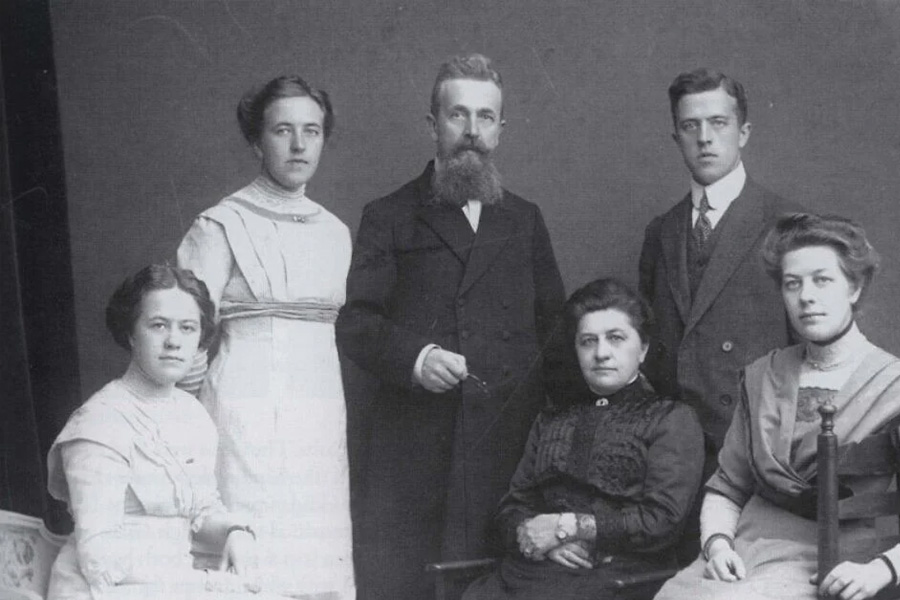
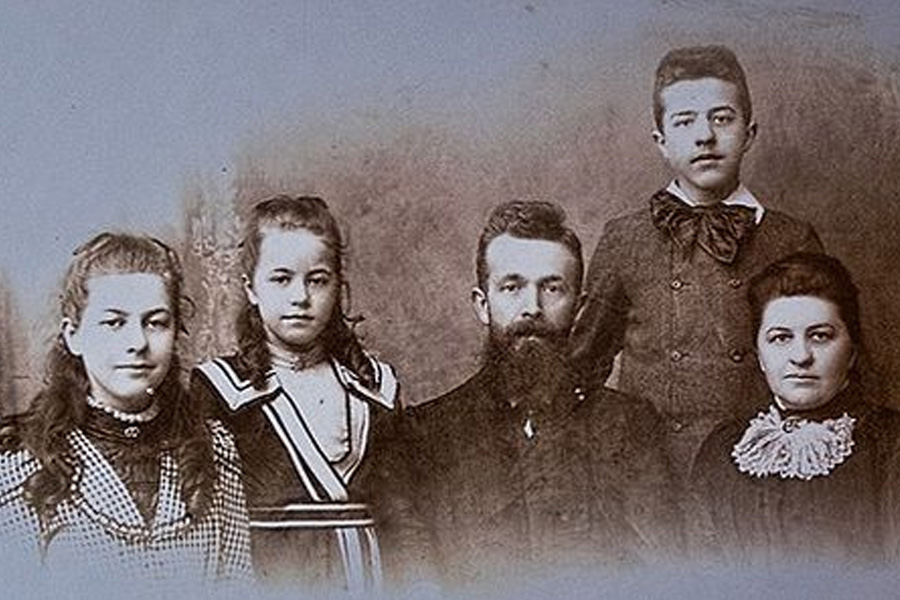
The Ten Booms were a large, close family. The narrative revolved around Willem’s sisters. Betsie, the oldest, was a beacon of faith. Flip van Woerden and Nollie had six children, including Peter, a 1944 arrestee nephew. The youngest Corrie combined practicality and spirituality to write The Hiding Place, which told the family story worldwide.
Tine and Willem had a stable marriage, however their children are only partially known. Most accounts say the couple had many kids. One line of family summaries lists four children, while others list at least three males and three daughters, explaining the discrepancy between private and public recollection. We know they raised a household where neighborliness was success and wartime losses were accepted with faith.
Timeline Highlights
| Year | Event |
|---|---|
| 1886 | Born on 21 November in Amsterdam |
| 1916 | Married Christina Tine van Veen on 24 August |
| 1920 | Son Christiaan Kik ten Boom born on 27 May |
| 1920s | Completed doctoral thesis on antisemitism and racism in Germany |
| 1930s | Pastored in Hilversum and ran an open, interfaith nursing home |
| 1940 to 1943 | Active in Dutch underground, placing Jews in hiding and sheltering refugees |
| 28 February 1944 | Arrested with family in the raid on the Beje |
| 1944 | Contracted tuberculosis in prison; father Casper died; sister Betsie died |
| 1945 | Son Kik died in Bergen-Belsen |
| 13 December 1946 | Died in Hilversum and buried in Hilversum Northern Cemetery |
| 1958 | Tine died |
Faith in Practice
Willem’s life balances research and service. His thesis found poison. He countered with parish work. He did not found famous institutions or win journal awards. Instead, he created an all-faith nursing home and turned its rooms into lifeboats during the flood.
His approach to ministry was low and local, granular as bread. He visited the elderly, matched need to resources, and persuaded households to shelter strangers. The result was a network without a map, kept alive by trust and the kind of quiet bravery that fills a room without raising its voice.
Echoes in Memory and Legacy
After WWII, Willem returned to Hilversum. Eventually, prison-grown tuberculosis killed him on December 13, 1946, at 60. His grave was in Hilversum Northern Cemetery. His wife Tine lived till 1958. Later texts preserved Corrie’s warnings, kindness, and participation in the family’s rescue.
Christian resistance and forgiveness are synonymous with Ten Boom. Willem is among the Righteous Among the Nations, along with several family members. The scholar who sensed danger before many listened, the pastor who opened doors, and the brother whose courage supported the better-known figures beside him are remembered.
Selected Family Connections
| Relation | Name | Notes |
|---|---|---|
| Father | Casper ten Boom (1859-1944) | Watchmaker, died after the 1944 arrest |
| Mother | Cornelia ten Boom-Luitingh | Former kindergarten teacher, died 1921 |
| Sister | Elisabeth Betsie ten Boom (1885-1944) | Died in Ravensbrück |
| Sister | Arnolda Johanna Nollie ten Boom (1890-1953) | Married Flip van Woerden, six children |
| Sister | Cornelia Corrie ten Boom (1892-1983) | Author of The Hiding Place |
| Spouse | Christina Tine van Veen (1884-1958) | Partner in pastoral and caregiving work |
| Son | Christiaan Kik ten Boom (1920-1945) | Dutch underground resister, died in Bergen-Belsen |
FAQ
Who was Willem Ten Boom?
He was a Dutch Reformed pastor, scholar, and rescuer who helped shelter Jews and resist Nazi persecution in the Netherlands.
What did he study and write about?
He studied theology and wrote a doctoral thesis in the 1920s on antisemitism and racism while in Germany.
Where did he serve as a pastor?
He served in several congregations and focused on Hilversum, where he also operated a nursing home.
How did his nursing home aid refugees?
It welcomed people of all faiths and increasingly became a refuge for Jews fleeing Nazi Germany in the 1930s.
When was he arrested and why?
He was arrested on 28 February 1944 during a Gestapo raid connected to his family’s rescue work and resistance networks.
Did he survive the war?
He was released from prison but contracted tuberculosis there and died on 13 December 1946.
Who were his siblings?
His sisters were Betsie, Nollie, and Corrie, all central figures in the family’s story of rescue and faith.
How many children did he have?
Records indicate multiple children, including son Christiaan Kik, with sources varying between four children and at least three sons and three daughters.
What happened to his son Kik?
Kik was active in the Dutch underground and died in Bergen-Belsen in 1945 at age 25.
Where is Willem Ten Boom buried?
He is buried in Hilversum Northern Cemetery.